Can You Wear Hair Extensions After Chemo? A Guide to Restoring Confidence
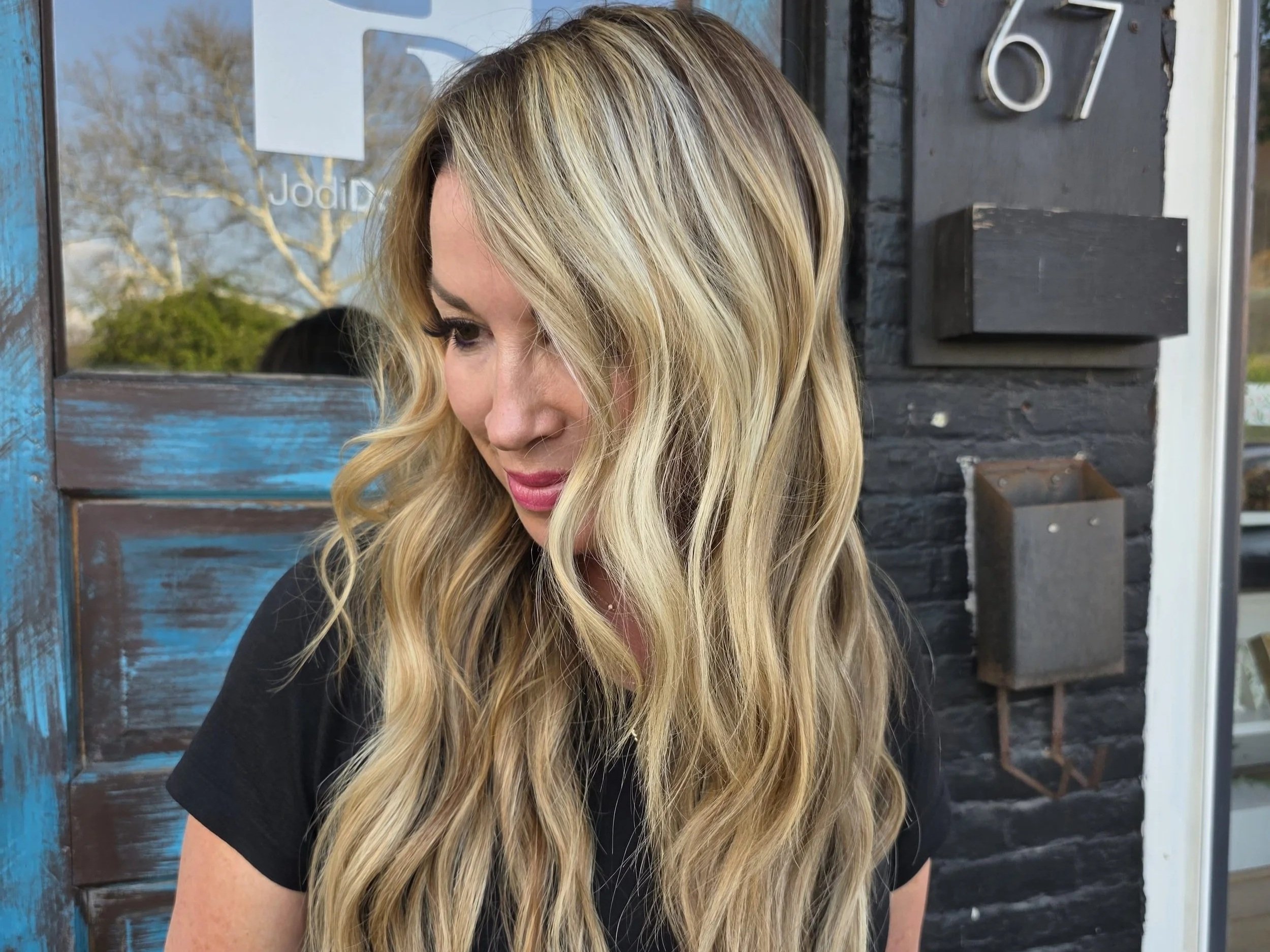
Experiencing hair loss during or after chemotherapy can be one of the most emotionally challenging parts of the healing journey. For many women, hair is deeply connected to identity, confidence, and feeling like themselves in the mirror.
As hair begins to grow back, it often comes in softer, finer, or uneven in density. During this stage, many people begin exploring options like hair extensions as a way to restore fullness and feel more comfortable during regrowth.
This guide is meant to help you understand how hair extensions can fit into that journey, what to expect, and when they may be appropriate.
⸻
Can You Get Hair Extensions After Chemotherapy?
In many cases, yes, but timing and hair health are extremely important.
After chemotherapy, the scalp and hair follicles are often more sensitive than usual. Because of this, extensions are typically not recommended immediately after treatment. Most stylists will suggest waiting until:
Hair has begun to regrow consistently
The scalp is no longer sensitive or fragile
There is enough natural density for secure application
Every recovery journey is different, which is why a personalized consultation is always the first step.
⸻
How Hair Extensions Can Help During Regrowth
Once the hair has reached a safe and stable stage of regrowth, extensions can help bridge the gap between short, uneven hair and the fuller look many people are hoping for.
For women recovering from chemotherapy, extensions can:
Add gentle fullness during regrowth phases
Help blend uneven lengths as hair grows back
Restore a sense of normalcy and styling freedom
Create soft volume without requiring heat styling
Support confidence during a transitional time
The goal is not to hide the journey, but to help you feel more like yourself while your natural hair continues to recover.
⸻
Talk With Someone Who Understands Your Hair Journey. Start your consultation now.
⸻
The Best Type of Extensions for Post-Chemo Hair
For fragile or regrowing hair, the most important factor is weight and tension. Lightweight, customizable methods are essential.
One of the most commonly recommended approaches is a hand-tied or beaded row method, where the installation is designed to distribute weight evenly across the scalp.
This approach is often preferred because it:
Avoids adhesives or harsh bonds
Reduces strain on delicate regrowth areas
Can be customized based on density and sensitivity
Blends naturally with fine or uneven hair
However, not every method is right for every stage of regrowth, which is why a professional assessment is essential before moving forward.
⸻
What to Expect Emotionally and Physically
For many people, hair extensions are not about transformation alone. They are about feeling whole again during a sensitive chapter of life.
A thoughtful, customized approach ensures that extensions enhance your natural regrowth rather than overwhelm it. When done correctly, they can offer a soft transition back into styling and self-expression.
⸻
A Gentle Approach to Hair Restoration
Hair regrowth after chemotherapy is not just a physical process. It is also emotional.
It is normal to feel:
Excited for your hair to return
Frustrated by uneven growth patterns
Sensitive about styling or appearance changes
Curious about options that help you feel more like yourself
Hair extensions are not a requirement, but for many women, they can provide a sense of normalcy during a time of change.
⸻
See If Extensions Are a Safe Option for You. Contact Jodi Does Hair.
⸻
Final Thoughts
Hair recovery after chemotherapy is a deeply personal journey. There is no rush, no timeline, and no one-size-fits-all solution.
For those who choose to explore hair extensions during regrowth, the right method and timing can provide a supportive bridge back to fuller, more confident hair.
The most important step is working with a professional who understands how to approach fragile or recovering hair with care, patience, and customization.